
U.S. and Iran engage in tensions over Strait of Hormuz
The U.S. plans to reinstate a naval blockade on Iranian ships in the Strait of Hormuz. This development follows a series of attacks between the two nations. (sources: nbcnews, reuters, ap)
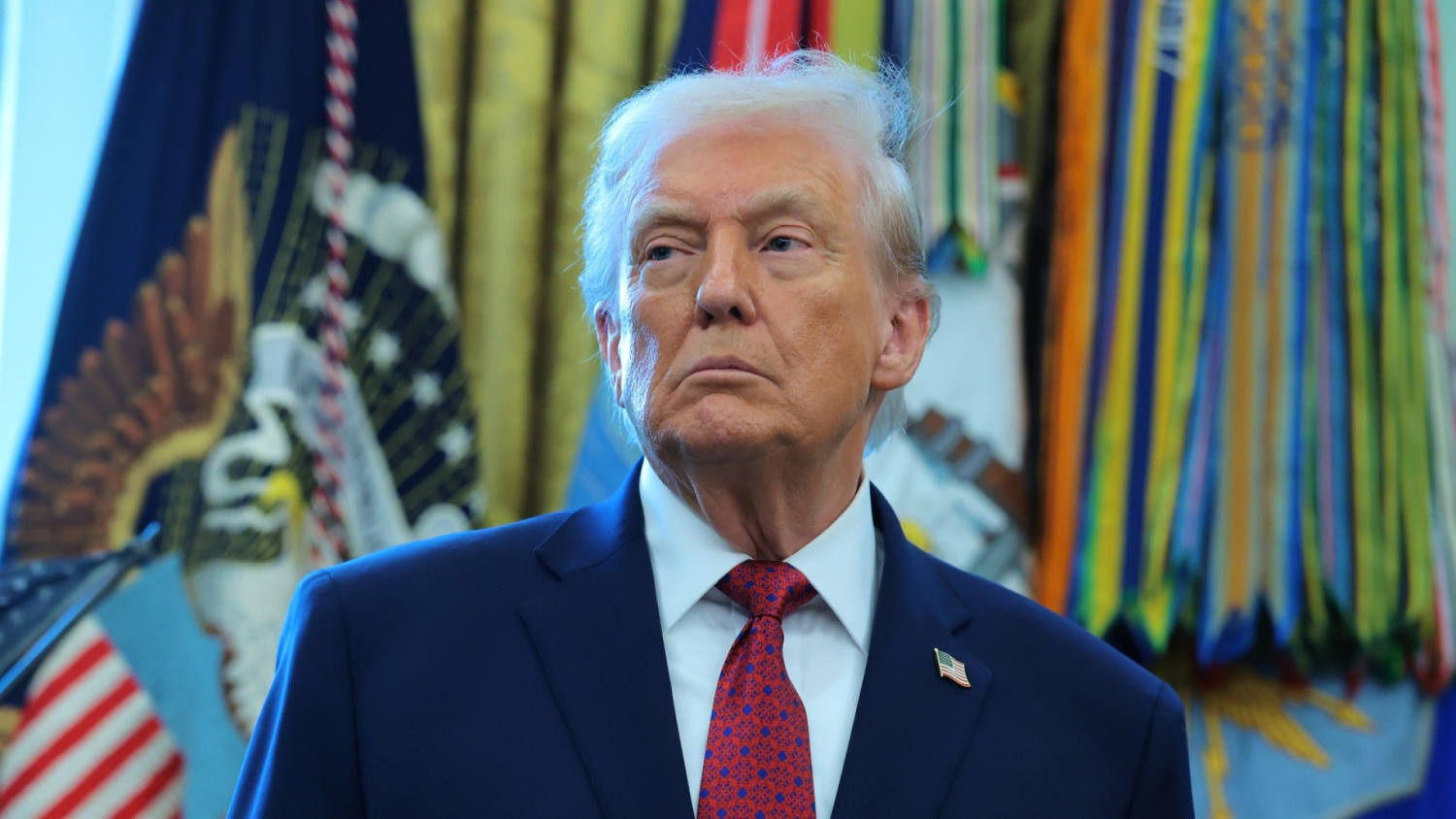
The U.S. has announced intentions to implement a blockade on Iranian vessels in the Strait of Hormuz, amid escalating tensions and attacks on U.S. bases by Iran. The U.S. is also demanding that Iran publicly affirm the safety of navigation in the strait.
- The U.S. plans to reinstate a naval blockade on Iranian ships in the Strait of Hormuz.
- Iran has increased attacks on U.S. bases in Gulf states and warned of further incidents in the strait.
- The U.S. is demanding that Iran publicly state that the Strait of Hormuz is open and that it will not attack ships.
Why it matters
The Strait of Hormuz is a critical maritime route for global oil shipments, making control and security in the area significant for international trade and regional stability.
↓ Congress can act on this
5 bills on this issue are moving right now — and the most active one is HR1422: Enhanced Iran Sanctions Act of 2025.
HR1422 · 119th Congress
Enhanced Iran Sanctions Act of 2025
Where do you stand on this bill?
Takes about 60 seconds
About this bill
What HR1422 actually does
This story is about U.S. and Iran engage in tensions over Strait of Hormuz. This bill would require sanctions on foreign persons involved in logistical transactions tied to Iranian oil, gas, LNG, and petrochemicals.
If passed, it would:
- require sanctions on foreign persons involved in logistical transactions tied to Iranian oil, gas, LNG • expand Rewards for Justice coverage for sanctions evasion tied to Iranian energy exports.
4 other bills moving on this issue
Take action on any of them individually.
This story is about U.S. and Iran engage in tensions over Strait of Hormuz. This bill would eliminate the sunset clause in the Iran Sanctions Act of 1996.
If passed, it would
- eliminate the sunset clause in the Iran Sanctions Act of 1996 • keep in place statutory sanctions tools tied to Iran’s energy sector and weapons-related activity.
This story is about U.S. and Iran engage in tensions over Strait of Hormuz. This bill would direct the President to terminate U.S. hostilities against Iran unless Congress specifically authorizes them.
If passed, it would
- direct the President to terminate U.S. hostilities against Iran unless Congress specifically authorizes them • preserve an exception for explicitly authorized force rather than creating a new AUMF.
This story is about U.S. and Iran engage in tensions over Strait of Hormuz. This bill would require a report on PRC purchases of Iranian oil and related sanctions-circumvention methods.
If passed, it would
- require a report on PRC purchases of Iranian oil and related sanctions-circumvention methods • require analysis of PRC support for Iran’s ballistic missile program.
This story is about U.S. and Iran engage in tensions over Strait of Hormuz. This bill would bar federal funds for U.S. military force in or against Iran absent specific congressional authorization.
If passed, it would
- bar federal funds for U.S. military force in or against Iran absent specific congressional authorization • preserve an exception for self-defense under existing war-powers law.