
US and Iran engage in military strikes near Strait of Hormuz
Recent military actions have escalated tensions between the US and Iran in the region. Both sides have exchanged strikes amid conflicting claims regarding the status of the Strait of Hormuz. (sources: bbc, nbcnews, dw, france24, abc)
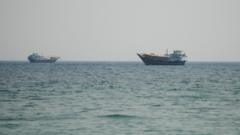
The US conducted strikes against Iran to protect commercial shipping in the Strait of Hormuz. In response, Iran claimed to have targeted US military bases in Jordan and Bahrain.
- The US Central Command reported new strikes aimed at preventing attacks on commercial vessels in the Strait of Hormuz.
- Iran asserted that it had struck US military bases in Jordan and Bahrain shortly after the US strikes.
- There are conflicting claims regarding the operational status of the Strait of Hormuz, with Iran stating it is closed and US officials disputing this.
Why it matters
The Strait of Hormuz is a critical maritime route for global oil shipments, and heightened military actions could disrupt international trade and escalate regional conflicts.
↓ Congress can act on this
6 bills on this issue are moving right now — and the most active one is HR1422: Enhanced Iran Sanctions Act of 2025.
HR1422 · 119th Congress
Enhanced Iran Sanctions Act of 2025
Where do you stand on this bill?
Takes about 60 seconds
About this bill
What HR1422 actually does
This story is about US and Iran engage in military strikes near Strait of Hormuz. This bill would require sanctions on foreign persons involved in processing, exporting, insuring, financing, or facilitating Iranian oil.
If passed, it would:
- require sanctions on foreign persons involved in processing, exporting, insuring, financing • tighten pressure on the commercial networks that can bankroll escalation.
5 other bills moving on this issue
Take action on any of them individually.
This story is about US and Iran engage in military strikes near Strait of Hormuz. This bill would direct removal of U.S. forces from hostilities with Iran absent specific authorization.
If passed, it would
- direct removal of U.S. forces from hostilities with Iran absent specific authorization • create a direct House vehicle for debating the legal basis for further strikes.
This story is about US and Iran engage in military strikes near Strait of Hormuz. This bill would remove the sunset clause from the Iran Sanctions Act of 1996.
If passed, it would
- remove the sunset clause from the Iran Sanctions Act of 1996 • preserve a baseline sanctions architecture used against Iran’s energy and proliferation-related activities.
This story is about US and Iran engage in military strikes near Strait of Hormuz. This bill would direct the President to remove U.S. forces from unauthorized hostilities involving Iran.
If passed, it would
- direct the President to remove U.S. forces from unauthorized hostilities involving Iran • force Congress to take a clearer position on whether further escalation is authorized.
This story is about US and Iran engage in military strikes near Strait of Hormuz. This bill would sanction persons involved in processing, exporting, transporting, financing, or insuring Iranian oil, gas, LNG.
If passed, it would
- sanction persons involved in processing, exporting, transporting, financing, or insuring Iranian oil, gas, LNG • pressure foreign facilitators that help Iran keep energy revenue flowing.
This story is about US and Iran engage in military strikes near Strait of Hormuz. This bill would expand and codify multiple Iran sanctions authorities, including shipping-related pressure.
If passed, it would
- expand and codify multiple Iran sanctions authorities, including shipping-related pressure • narrow waiver and licensing flexibility in ways that could tighten economic pressure during a crisis.
Sources used · 5 sources