
Trump and Xi hold trade talks amid tariff challenges
President Trump and Chinese President Xi Jinping engaged in discussions focused on trade and geopolitical issues. The meeting follows recent legal challenges affecting U.S. tariffs on China. (sources: aljazeera, nbcnews, foxnews, abcnews, cbsnews)
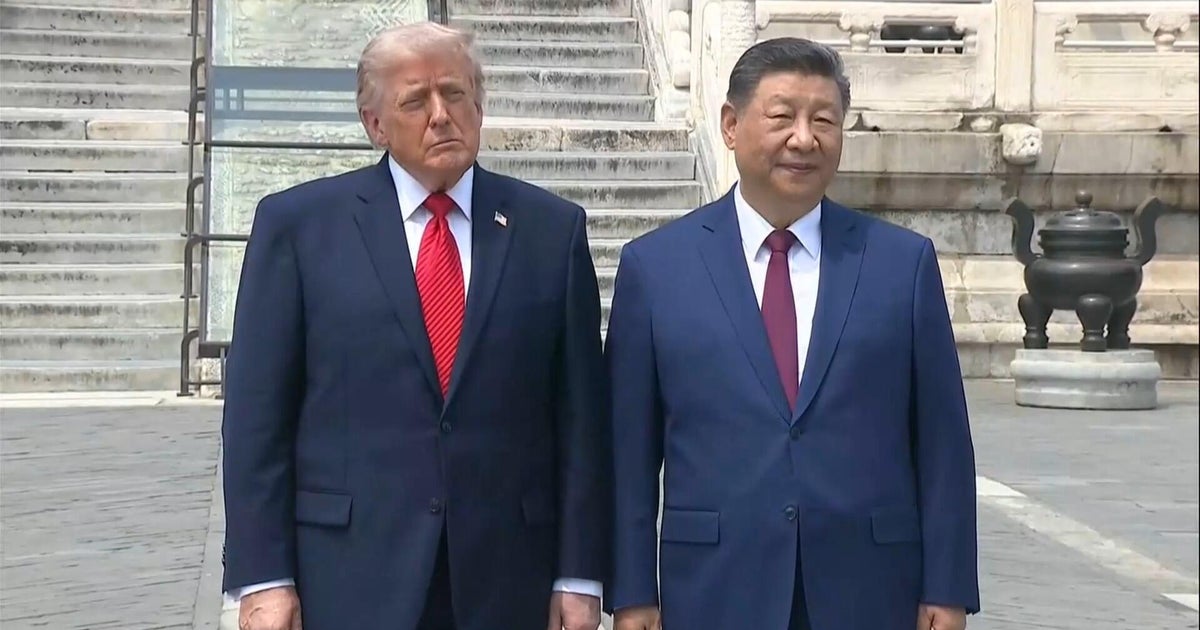
The summit addressed key topics including trade relations, the war in Iran, and U.S. policy on Taiwan. The backdrop of recent Supreme Court rulings on tariffs influenced the discussions.
- Trump and Xi discussed trade relations and geopolitical issues during their meeting.
- Recent Supreme Court rulings have created challenges for U.S. tariffs on China.
- The meeting was characterized as high-stakes due to the ongoing geopolitical context.
Why it matters
The outcomes of these discussions could impact U.S.-China trade relations and broader geopolitical dynamics.
↓ Why this is on ModernAction
4 bills on this issue are moving right now — and the most active one is China Exchange Rate Transparency Act of 2025.
S2146 · 119th Congress
China Exchange Rate Transparency Act of 2025
Where do you stand on this bill?
Takes about 60 seconds
About this bill
What S2146 actually does
This story is about After Trump's pledge to 'open up' China, low expectations for trade deal. This bill would Require U.S. advocacy at the IMF for more transparency around China’s exchange-rate policies.
If passed, it would:
- Require U.S. advocacy at the IMF for more transparency around China’s exchange-rate policies • Add an ongoing congressional-facing framework for monitoring/pressure via IMF channels.
3 other bills moving on this issue
Take action on any of them individually.
This story is about After Trump's pledge to 'open up' China, low expectations for trade deal. This bill would If the news is about a possible U.S.–China trade deal and tariff posture, this bill would increase Congress’s formal role in reviewing new/c.
If passed, it would
- Require notification to, and a review process by, Congress around certain tariff/duty actions • Potentially constrain or condition rapid tariff changes that would shape trade talks.
This story is about After Trump's pledge to 'open up' China, low expectations for trade deal. This bill would phase out de minimis treatment under the Tariff Act of 1930.
If passed, it would
- Phase out de minimis treatment under the Tariff Act of 1930 (per the bill’s official title/summary framing • Increase tariff/entry processing on low-value shipments by narrowing de minimis eligibility.
This story is about After Trump's pledge to 'open up' China, low expectations for trade deal. This bill would If “opening up” China depends on rapid tariff moves or tariff rollbacks, this bill would constrain/structure tariff changes by requiring con.
If passed, it would
- Terminate specified emergency-authority tariffs and require congressional approval for future similar tariff actions • Reduce unilateral tariff swings by setting a joint-resolution approval requirement.