
Temu fined $232 million by EU for unsafe products
The European Commission has imposed a significant fine on Temu for selling products that do not meet safety standards. This action follows findings of high risks associated with items available on the platform. (sources: pbs, bbc, washingtonpost, nytimes, reuters)
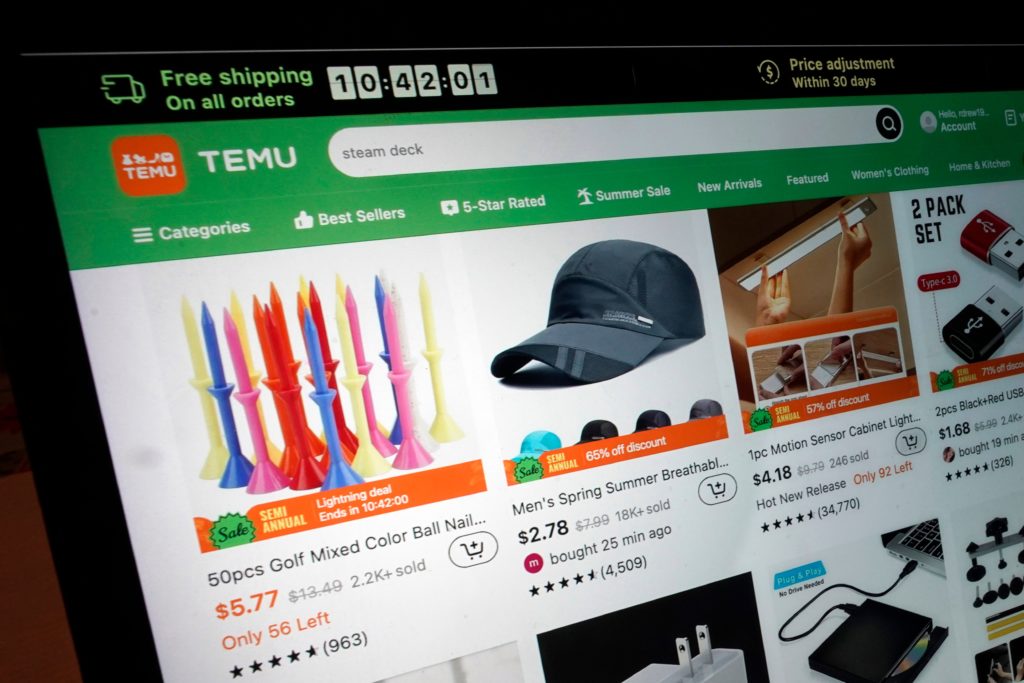
Temu has been fined €200 million (approximately $232 million) by the European Commission for allowing the sale of unsafe toys and electronics. The commission determined that the platform exposed consumers to illegal products.
- The fine was issued by the European Commission after an investigation into product safety compliance.
- Temu was found to have sold items like baby toys and faulty electronics that did not meet EU safety regulations.
- The commission indicated that consumers were likely to encounter illegal items on the platform.
Why it matters
This fine highlights regulatory actions taken by the EU to enforce consumer safety standards in online marketplaces.
↓ Congress can act on this
5 bills on this issue are moving right now — and the most active one is S1867: Closing the De Minimis Loophole Act.
S1867 · 119th Congress
Closing the De Minimis Loophole Act
Where do you stand on this bill?
Takes about 60 seconds
About this bill
What S1867 actually does
This story is about Temu fined more than $230 million by EU over illegal product sales. This bill would Temu’s business model heavily relies on direct-to-consumer small parcels; reducing/ending de minimis treatment would increase scrutiny and dut.
If passed, it would:
- Eliminate de minimis treatment under Section 321, with immediate applicability for articles originating in China and • Require Treasury rulemaking to implement the termination and adjust entry/data procedures.
4 other bills moving on this issue
Take action on any of them individually.
This story is about Temu fined over $230 million by EU for product violations. This bill would The Temu case is about platforms failing to prevent unsafe/illegal products; this bill aims to modernize U.S. consumer-safety enforcement (C.
If passed, it would
- Create a CPSC pilot to use AI for tasks like identifying product hazards and monitoring sale of recalled consumer • Help CPSC target imports by using AI to identify consumer products that don’t meet specified product-safety import.
This story is about Temu fined more than $230 million by EU over illegal product sales. This bill would Require Treasury to issue regulations for more documentation/data submission to CBP (e.g., classification and origin/shipping details) for q.
If passed, it would
- Bar de minimis (Section 321(a)(2)(C)) duty-free treatment when the origin/shipping country is both a “nonmarket • Require Treasury to issue regulations for more documentation/data submission to CBP (e.g.
This story is about Temu fined over $230 million by EU for product violations. This bill would Limit de minimis use for (a) split-shipments from a single order/contract and (b) items subject to certain U.S. trade duties/restrictions; a.
If passed, it would
- Limit de minimis use for (a) split-shipments from a single order/contract and (b) items subject to certain U.S • Require providing a 10-digit HTS classification to CBP as part of entry filings for de minimis treatment in covered.
This story is about Temu fined over $230 million by EU for product violations. This bill would This is the most direct “product safety on a China-based platform” response—aimed at situations where a foreign seller/platform doesn’t resp.
If passed, it would
- Let CPSC order mandatory recalls without manufacturer/retailer consent in certain cases involving PRC-based sellers • Treat certain PRC-headquartered/operated e-commerce platforms as “distributors” under the Consumer Product Safety Act.
Top coverage · 8 sources