
Supreme Court ruling affirms birthright citizenship under the Constitution
The Supreme Court has ruled on the issue of birthright citizenship, impacting the interpretation of the Fourteenth Amendment. This decision addresses the legality of an executive order aimed at limiting citizenship rights. (sources: aljazeera, theguardian, foxnews)
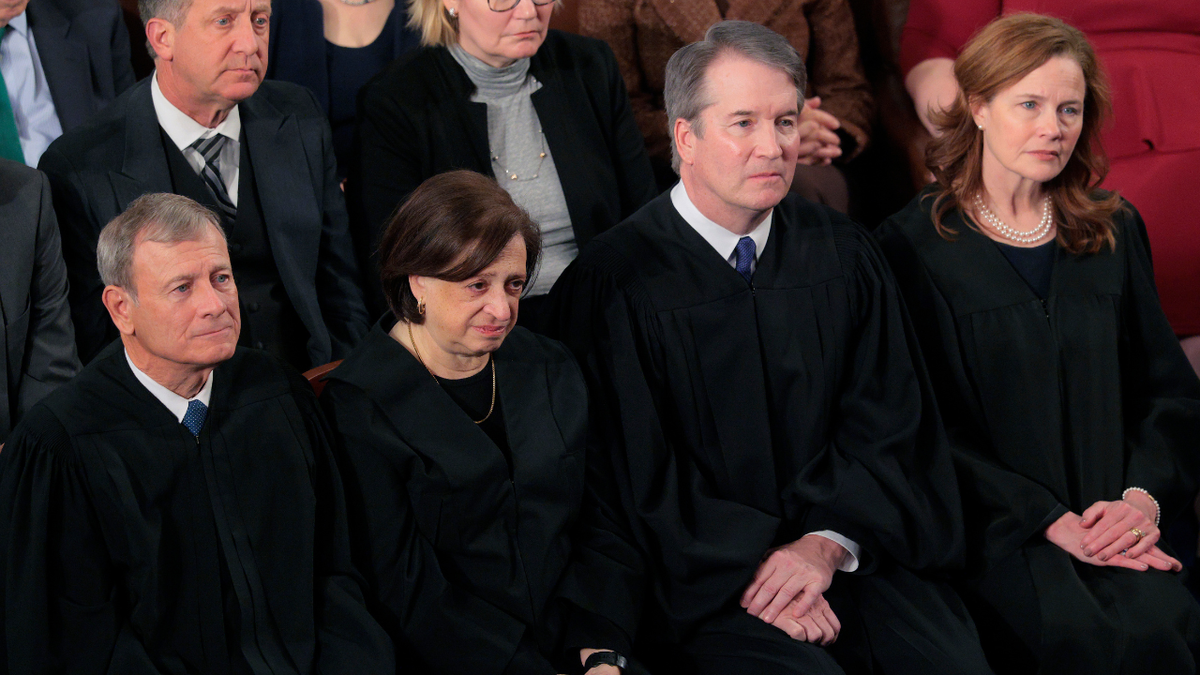
The Supreme Court ruled 5-4 to uphold birthright citizenship, stating that an executive order attempting to restrict this right violated the Constitution. The ruling included support from Chief Justice Roberts and Justice Barrett alongside the liberal justices.
- The Supreme Court struck down an executive order that sought to limit birthright citizenship.
- The ruling reaffirmed the rights established under the Fourteenth Amendment.
- The decision was made with a 5-4 vote, with some conservative justices joining liberal justices.
Why it matters
The ruling clarifies the legal standing of birthright citizenship in the United States.
↓ Congress can act on this
6 bills on this issue are moving right now — and the most active one is HR3368: Born in the USA Act of 2025.
HR3368 · 119th Congress
Born in the USA Act of 2025
Where do you stand on this bill?
Takes about 60 seconds
About this bill
What HR3368 actually does
This story is about Supreme Court ruling affirms birthright citizenship under the Constitution. This bill would prohibit federal funds from being used to carry out Executive Order 14160.
If passed, it would:
- prohibit federal funds from being used to carry out Executive Order 14160 • block implementation of the order without changing the Fourteenth Amendment itself.
5 other bills moving on this issue
Take action on any of them individually.
This story is about Supreme Court ruling affirms birthright citizenship under the Constitution. This bill would redefine who is treated as “subject to the jurisdiction” of the United States for citizenship at birth.
If passed, it would
- redefine who is treated as “subject to the jurisdiction” of the United States for citizenship at birth • limit automatic citizenship at birth to children with a U.S.-citizen or national parent, an LPR parent.
This story is about Supreme Court ruling affirms birthright citizenship under the Constitution. This bill would prohibit federal funds from carrying out Executive Order 14160.
If passed, it would
- prohibit federal funds from carrying out Executive Order 14160 • channel any future congressional action into new legislation rather than agency implementation of the order.
This story is about Supreme Court ruling affirms birthright citizenship under the Constitution. This bill would redefine who counts as being subject to U.S. jurisdiction at birth.
If passed, it would
- redefine who counts as being subject to U.S. jurisdiction at birth • restrict automatic citizenship to births with a citizen/national parent, an LPR parent.
This story is about Supreme Court ruling affirms birthright citizenship under the Constitution. This bill would amend the INA to say a person born in the United States is not subject to U.S.
If passed, it would
- amend the INA to say a person born in the United States is not subject to U.S • create a more aggressive statutory test than the broader Birthright Citizenship Act bills.
This story is about Supreme Court ruling affirms birthright citizenship under the Constitution. This bill would define “subject to the jurisdiction thereof” to cover only births to a U.S.-citizen parent or an LPR parent.
If passed, it would
- define “subject to the jurisdiction thereof” to cover only births to a U.S.-citizen parent or an LPR parent • apply that change only to people born after enactment.
Top coverage · 3 sources