
Oil Prices Rise Amid U.S.-Iran Tensions in Strait of Hormuz
Recent military actions between the U.S. and Iran have led to increased oil prices. The situation raises concerns about future market volatility. (sources: aljazeera, bloomberg, marketwatch, cnbc, nytimes)
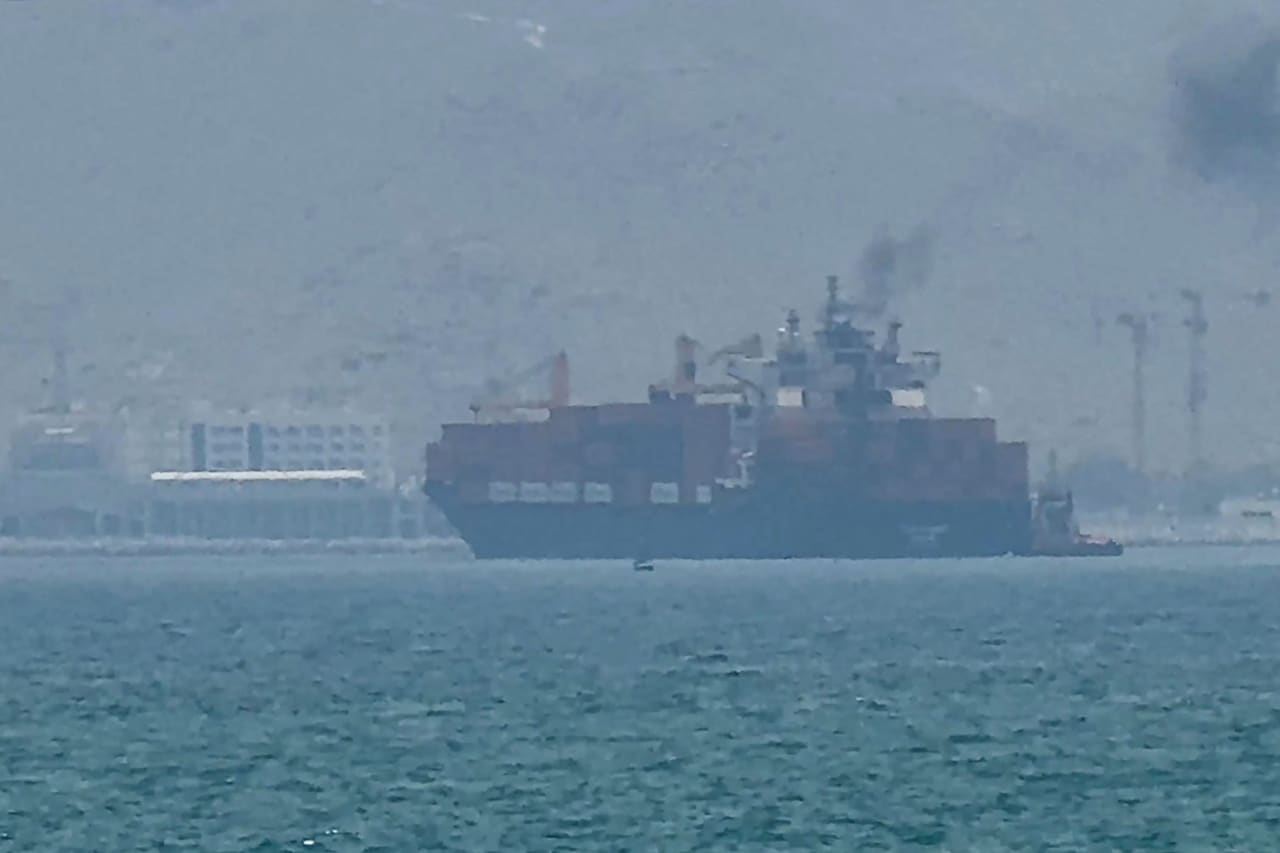
Oil prices have surged following renewed military strikes between the U.S. and Iran in the Strait of Hormuz. This escalation has also impacted U.S. stock-index futures.
- Oil prices increased by approximately 4% due to the latest military actions.
- U.S. stock-index futures experienced a decline amid the rising oil prices.
- The Strait of Hormuz is a critical shipping route for oil, heightening market concerns.
Why it matters
The ongoing tensions in the Strait of Hormuz could lead to further instability in global oil markets.
↓ Congress can act on this
7 bills on this issue are moving right now — and the most active one is HR1422: Enhanced Iran Sanctions Act of 2025.
HR1422 · 119th Congress
Enhanced Iran Sanctions Act of 2025
Where do you stand on this bill?
Takes about 60 seconds
About this bill
What HR1422 actually does
This story is about Oil prices jump as US and Iran trade attacks over Strait of Hormuz. This bill would require sanctions on foreign persons, banks, insurers, and flagging registries involved in logistical transactions or.
If passed, it would:
- require sanctions on foreign persons, banks, insurers, and flagging registries involved in logistical transactions or • formalize more reporting and coordination around sanctions enforcement against Iran’s energy export chain.
6 other bills moving on this issue
Take action on any of them individually.
This story is about Oil prices jump as US and Iran trade attacks over Strait of Hormuz. This bill would remove the sunset on the Iran Sanctions Act of 1996.
If passed, it would
- remove the sunset on the Iran Sanctions Act of 1996 • keep permanent sanctions authorities tied to Iran’s energy sector and weapons-related activity.
This story is about Oil prices jump as US and Iran trade attacks over Strait of Hormuz. This bill would impose sanctions tied to logistical transactions and sanctions evasion involving Iranian oil, gas, LNG.
If passed, it would
- impose sanctions tied to logistical transactions and sanctions evasion involving Iranian oil, gas, LNG • give the Senate a chamber-specific vehicle for tightening pressure on Iran’s energy export network.
This story is about Oil prices jump as US and Iran trade attacks over Strait of Hormuz. This bill would direct removal of U.S. forces from unauthorized hostilities against Iran.
If passed, it would
- direct removal of U.S. forces from unauthorized hostilities against Iran • create pressure for a formal House debate on escalation and authorization.
This story is about Oil prices jump as US and Iran trade attacks over Strait of Hormuz. This bill would direct termination of unauthorized U.S. hostilities against Iran.
If passed, it would
- direct termination of unauthorized U.S. hostilities against Iran • force Congress to take a clearer institutional position on escalation risk in the Gulf.
This story is about Oil prices jump as US and Iran trade attacks over Strait of Hormuz. This bill would codify a “maximum pressure” policy toward Iran and restrict sanctions relief.
If passed, it would
- codify a “maximum pressure” policy toward Iran and restrict sanctions relief • require updated sanctions advisory guidance for the maritime industry and related sectors.
This story is about Oil prices jump as US and Iran trade attacks over Strait of Hormuz. This bill would apply sanctions to natural-gas transactions involving Iran, including imports by the Government of Iraq.
If passed, it would
- apply sanctions to natural-gas transactions involving Iran, including imports by the Government of Iraq • extend sanctions pressure beyond crude shipments to another energy-revenue stream.
Sources used · 5 sources