
Zimbabwe lawmakers approve bill to extend presidential term length
The legislation aims to extend the presidential term from five to seven years. It also proposes the elimination of direct presidential elections. (sources: bbc, aljazeera)
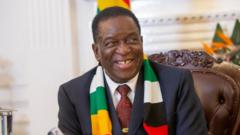
The lower house of parliament in Zimbabwe has passed a bill that would extend the presidential term by two years and remove direct elections for the presidency.
- The bill extends the presidential term from five to seven years.
- The proposal includes the removal of direct presidential elections.
- The legislation was passed by the lower house of parliament.
Why it matters
The changes could significantly impact the political landscape and electoral process in Zimbabwe.
↓ Congress can act on this
3 bills on this issue are moving right now — and the most active one is HR6500: AGOA Extension Act.
HR6500 · 119th Congress
AGOA Extension Act
Where do you stand on this bill?
Takes about 60 seconds
About this bill
What HR6500 actually does
This story is about Zimbabwe lawmakers approve bill to extend presidential term length. This bill would extend duty-free treatment for qualifying African countries under AGOA.
If passed, it would:
- extend duty-free treatment for qualifying African countries under AGOA • give senators a live vehicle where they could raise governance and eligibility concerns tied to democratic erosion in.
2 other bills moving on this issue
Take action on any of them individually.
This story is about Zimbabwe lawmakers approve bill to extend presidential term length. This bill would repeal the Zimbabwe Democracy and Economic Recovery Act of 2001 and replace it with a narrower condition on U.S.
If passed, it would
- repeal the Zimbabwe Democracy and Economic Recovery Act of 2001 and replace it with a narrower condition on U.S • move Zimbabwe policy as part of a broader State Department foreign-policy package.
This story is about Zimbabwe lawmakers approve bill to extend presidential term length. This bill would require the State Department to rank countries by anti-corruption performance.
If passed, it would
- require the State Department to rank countries by anti-corruption performance • require evaluation of significant corrupt actors in third-tier countries for possible Global Magnitsky sanctions.