
Supreme Court allows U.S. to turn away asylum seekers at the border
The Supreme Court ruled that federal law permits the government to prevent asylum-seekers from entering the U.S. The decision impacts how migrants can apply for asylum. (sources: abcnews, npr, washingtonpost, theguardian)
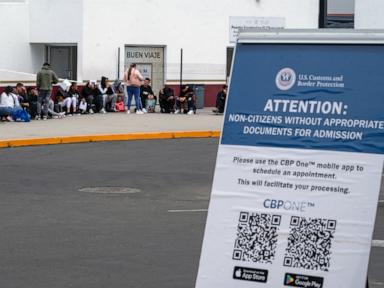
The Supreme Court ruled 6-3 that the U.S. government can turn away asylum-seekers at the border, preventing them from applying for asylum while still in Mexico. This decision supports the actions of border agents under the current administration.
- The Supreme Court's decision was made by a 6-3 vote.
- The ruling allows federal agents to turn back asylum seekers before they enter the U.S.
- Migrants will not be able to apply for asylum while standing on the Mexico side of the border.
Why it matters
The ruling affects the process by which migrants can seek asylum in the U.S., potentially impacting those fleeing violence and persecution.
↓ Congress can act on this
7 bills on this issue are moving right now — and the most active one is HR318: Border Safety and Security Act of 2025.
HR318 · 119th Congress
Border Safety and Security Act of 2025
Where do you stand on this bill?
Takes about 60 seconds
About this bill
What HR318 actually does
This story is about Supreme Court allows U.S. to turn away asylum seekers at the border. This bill would require DHS to suspend entry of certain migrants without valid documents when detention or return is unavailable.
If passed, it would:
- require DHS to suspend entry of certain migrants without valid documents when detention or return is unavailable • authorize broader border-entry suspensions to pursue “operational control.
6 other bills moving on this issue
Take action on any of them individually.
This story is about Supreme Court allows U.S. to turn away asylum seekers at the border. This bill would create expedited asylum-determination procedures and require early access to counsel.
If passed, it would
- create expedited asylum-determination procedures and require early access to counsel • authorize regional asylum prescreening and broader border/infrastructure reforms.
This story is about Supreme Court allows U.S. to turn away asylum seekers at the border. This bill would require asylum applicants to arrive and apply at a U.S. port of entry.
If passed, it would
- require asylum applicants to arrive and apply at a U.S. port of entry • bar parole into the U.S. pending approval and tighten repeat-application rules.
This story is about Supreme Court allows U.S. to turn away asylum seekers at the border. This bill would require return to a neighboring/safe third country or detention during asylum consideration.
If passed, it would
- require return to a neighboring/safe third country or detention during asylum consideration • pair that policy with broader border-security funding changes.
This story is about Supreme Court allows U.S. to turn away asylum seekers at the border. This bill would require a meaningful opportunity to consult counsel and related parties during secondary or deferred inspection.
If passed, it would
- require a meaningful opportunity to consult counsel and related parties during secondary or deferred inspection • let counsel provide evidence and advocacy to immigration officers at the port-of-entry stage.
This story is about Supreme Court allows U.S. to turn away asylum seekers at the border. This bill would codify authority to appoint temporary immigration judges with immigration-law expertise.
If passed, it would
- codify authority to appoint temporary immigration judges with immigration-law expertise • aim to reduce the immigration-court backlog affecting asylum and removal cases.
This story is about Supreme Court allows U.S. to turn away asylum seekers at the border. This bill would tighten asylum eligibility standards.
If passed, it would
- tighten asylum eligibility standards • add stricter transit-country requirements before asylum claims could proceed.
Top coverage · 4 sources