
Supreme Court allows Exxon to pursue lawsuit against Cuba
The Supreme Court has ruled in favor of Exxon Mobil, permitting the company to sue Cuba for assets seized decades ago. This decision could influence how U.S. companies seek compensation for similar claims. (sources: abcnews, aljazeera, nytimes)
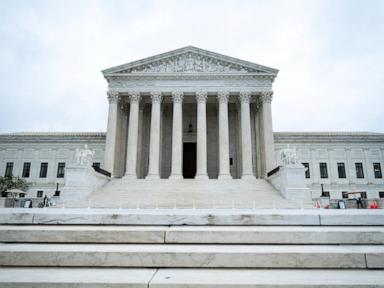
The Supreme Court's ruling enables Exxon Mobil to sue the Cuban government for over $1 billion in property seized in the 1960s. This decision may assist other U.S. companies in pursuing compensation for confiscated assets.
- The Supreme Court ruled that Exxon Mobil can sue Cuba over seized property.
- The lawsuit involves more than $1 billion in assets taken by the Cuban government.
- The ruling could set a precedent for other U.S. companies seeking compensation for similar claims.
Why it matters
The ruling may influence future legal actions by U.S. companies against foreign governments regarding asset seizures.
↓ Congress can act on this
4 bills on this issue are moving right now — and the most active one is HR7521: United States-Cuba Trade Act of 2026.
HR7521 · 119th Congress
United States-Cuba Trade Act of 2026
Where do you stand on this bill?
Takes about 60 seconds
About this bill
What HR7521 actually does
This story is about Supreme Court says Exxon would sue Cuba over $1B in seized property. This bill would lift the trade embargo on Cuba.
If passed, it would:
- lift the trade embargo on Cuba • shift the policy framework around Cuba away from broad embargo restrictions.
3 other bills moving on this issue
Take action on any of them individually.
This story is about Supreme Court says Exxon would sue Cuba over $1B in seized property. This bill would bar removal of Cuba from the terrorism list until specified conditions are met.
If passed, it would
- bar removal of Cuba from the terrorism list until specified conditions are met • preserve sanctions-related leverage that can affect negotiations and accountability disputes.
This story is about Supreme Court says Exxon would sue Cuba over $1B in seized property. This bill would require sanctions on foreign persons that engage in certain transactions tied to key Cuban regime sectors.
If passed, it would
- require sanctions on foreign persons that engage in certain transactions tied to key Cuban regime sectors • impose sanctions tied to human rights abuse and corruption in Cuba.
This story is about Supreme Court says Exxon would sue Cuba over $1B in seized property. This bill would direct the President to advance negotiations to settle U.S. property claims against Cuba.
If passed, it would
- lift the U.S. embargo framework on Cuba and reset trade/travel restrictions • direct the President to advance negotiations to settle U.S. property claims against Cuba.