
Brooklyn Rivera, Nicaraguan Indigenous Leader, Dies in Custody
Brooklyn Rivera, a prominent Miskito political leader, has died while in government custody in Nicaragua. His family and rights groups have raised concerns about the circumstances of his death. (sources: nytimes, bbc, aljazeera)
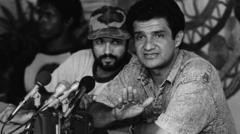
Brooklyn Rivera, 73, died after nearly three years of detention by the Nicaraguan government. His arrest and subsequent death have drawn condemnation from rights groups.
- Brooklyn Rivera was arrested by the Nicaraguan government in 2023.
- He was a significant figure among Miskito political leaders.
- His family and rights organizations dispute the circumstances of his death.
Why it matters
The death of Rivera highlights ongoing concerns about human rights and political repression in Nicaragua.
↓ Congress can act on this
2 bills on this issue are moving right now — and the most active one is HR7055: Restoring Sovereignty and Human Rights in Nicaragua Act of 2026.
HR7055 · 119th Congress
Restoring Sovereignty and Human Rights in Nicaragua Act of 2026
Where do you stand on this bill?
Takes about 60 seconds
About this bill
What HR7055 actually does
This story is about Brooklyn Rivera, Nicaraguan Indigenous Leader, Dies in Custody. This bill would It targets U.S. policy tools (sanctions, investment restrictions, trade review, and diplomacy at international lenders) meant to pressure ac.
If passed, it would:
- Expand/extend Nicaragua-related sanctions and related authorities (including covering Nicaragua’s gold sector) and • Require recurring executive-branch reporting (e.g., on Nicaragua’s CAFTA–DR participation/benefits) and set policy.
1 other bill moving on this issue
Take action on any of them individually.
This story is about Brooklyn Rivera, Nicaraguan Indigenous Leader, Dies in Custody. This bill would brooklyn: Require a State Department/USTR report on Nicaragua’s participation in CAFTA–DR and authorize grants supporting human-rights/democ.
If passed, it would
- Require a State Department/USTR report on Nicaragua’s participation in CAFTA–DR and authorize grants supporting • Encourage U.S. action at the U.N. urging independent investigations into alleged human-rights violations and abuses in.