
Tech CEOs face off in court over OpenAI's future
Sam Altman and Elon Musk are involved in a legal dispute regarding OpenAI's corporate structure. The trial is set to address significant issues surrounding artificial intelligence. (sources: businessinsider, thehill, bbc, nytimes, france24)
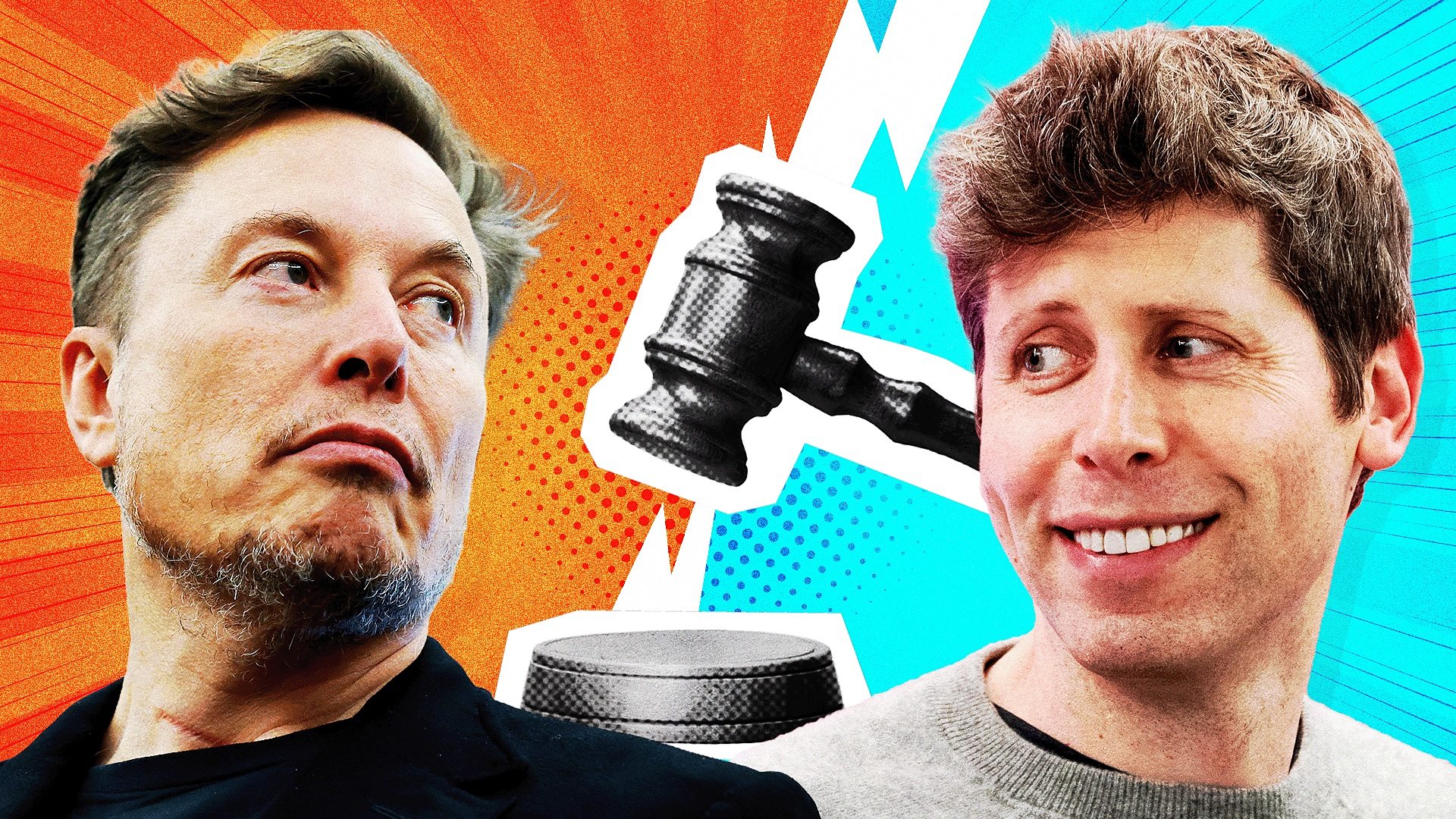
Altman made a surprise appearance at a California courthouse, where potential jurors expressed negative opinions about AI and Musk. The lawsuit seeks over $130 billion in damages.
- Altman and Musk co-founded OpenAI in 2015.
- Musk's lawsuit centers on OpenAI's corporate structure and seeks substantial damages.
- Potential jurors have voiced unfavorable views about AI and Musk during the trial.
Why it matters
The outcome of this trial could have significant implications for the future of artificial intelligence and its governance.
↓ Why this is on ModernAction
3 bills on this issue are moving right now — and the most active one is Artificial Intelligence Risk Evaluation Act of 2025.
S2938 · 119th Congress
Artificial Intelligence Risk Evaluation Act of 2025
Where do you stand on this bill?
Takes about 60 seconds
About this bill
What S2938 actually does
This story is about Tech CEOs face off in court over OpenAI's future. This bill would require covered advanced AI system developers to participate in a DOE evaluation program and provide key materials on.
If passed, it would:
- Require covered advanced AI system developers to participate in a DOE evaluation program and provide key materials (e.g • Establish a DOE “Advanced Artificial Intelligence Evaluation Program” to test advanced AI systems and generate.
2 other bills moving on this issue
Take action on any of them individually.
This story is about Tech CEOs face off in court over OpenAI's future. This bill would direct the FTC to issue regulations requiring covered entities to perform impact assessments of covered algorithms before.
If passed, it would
- Direct the FTC to issue regulations requiring covered entities to perform impact assessments of covered algorithms • Require covered entities to submit summary reports to the FTC (including for new covered algorithms prior to deployment.
This story is about Tech CEOs face off in court over OpenAI's future. This bill would shift incentives toward clearer permission/consent practices for data used to build and operate generative AI systems.
If passed, it would
- Create a federal civil liability framework tied to exploiting individuals’ data without express • Shift incentives toward clearer permission/consent practices for data used to build and operate generative AI systems.
Top coverage · 8 sources