
Iran Threatens to Close Strait of Hormuz Amid US Blockade
Iran has claimed to have closed the Strait of Hormuz in response to a US blockade. The situation has raised tensions in the region. (sources: enc, ap, aljazeera, theguardian, france24)
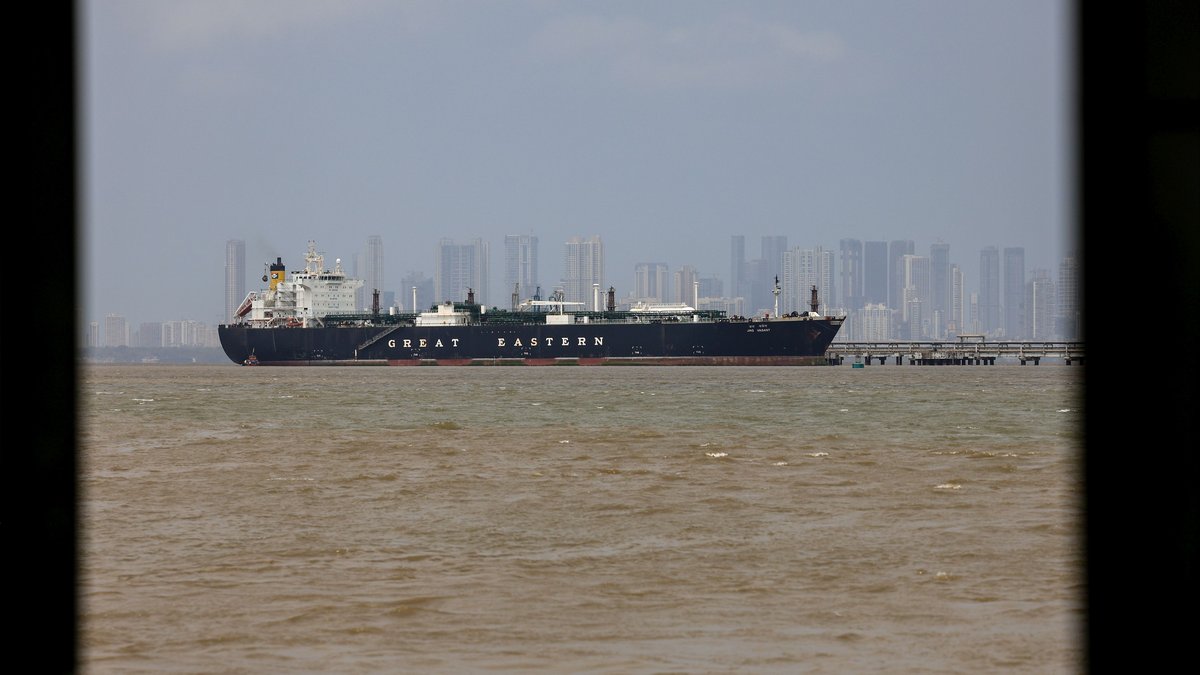
Iran has threatened to close the Strait of Hormuz again if the US blockade of its ports continues. The Iranian parliamentary speaker stated that passage through the waterway will depend on Iranian authorization.
- Iran claims to have closed the Strait of Hormuz due to the US blockade.
- The US intends to maintain the blockade without an agreement.
- Iran's parliamentary speaker has indicated that access to the strait will require Iranian approval.
Why it matters
The Strait of Hormuz is a critical waterway for global oil transportation, and tensions in the region could impact oil prices and international relations.
↓ Why this is on ModernAction
2 bills on this issue are moving right now — and the most active one is Enhanced Iran Sanctions Act of 2025.
S556 · 119th Congress
Enhanced Iran Sanctions Act of 2025
Where do you stand on this bill?
Takes about 60 seconds
About this bill
What S556 actually does
This story is about Iran claiming to have closed the Strait of Hormuz again and accusing the US of a blockade. The bill would expand sanctions, asset freezes, and visa bans on foreign people and companies that help Iran export or process oil and gas.
If passed, it would:
- Freeze property and block transactions tied to entities aiding Iran's oil and gas trade • Create a federal working group to improve enforcement and international coordination.
1 other bill moving on this issue
Take action on any of them individually.
This story is about Iran claiming to have closed the Strait of Hormuz again and accusing the US of a blockade. This bill would speed U.S. defense sales to Middle East countries that normalize with Israel to strengthen regional security against Iran.
If passed, it would
- Shorten review timeline for certain defense sales to qualifying MENA countries • Require regular reports to Congress and rules to protect sensitive U.S. technology.
Top coverage · 9 sources